Wood Pellet Manufacturing Process: A Comprehensive Guide
Introduction to Wood Pellets
Wood pellets have gained popularity as a sustainable and efficient biofuel. They are widely used for residential heating, industrial energy production, and even power generation. Understanding the wood pellet manufacturing process is essential for businesses and individuals looking to invest in this renewable energy source. In this article, we provide a detailed overview of the production steps, raw materials, and advantages of wood pellets.
What Are Wood Pellets?
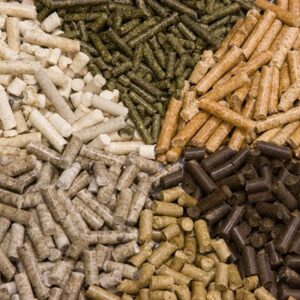
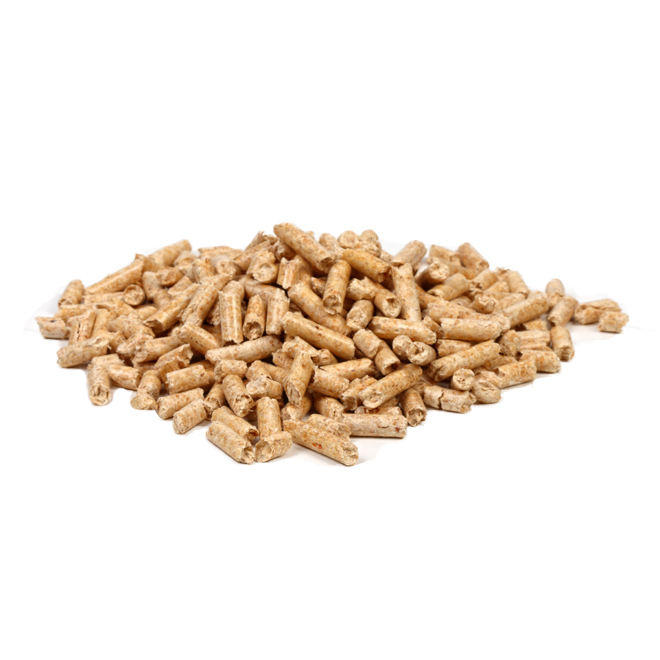
Wood pellets are small, cylindrical pieces of compressed wood biomass. They are made from sawdust, wood chips, and other wood waste materials. Their uniform size, high energy content, and low moisture levels make them an excellent alternative to traditional fossil fuels.
Step-by-Step Wood Pellet Manufacturing Process
1. Raw Material Selection and Preparation
The quality of wood pellets depends significantly on the raw materials used. The primary raw materials include:
- Sawdust
- Wood chips
- Bark-free logs
- Agricultural residues
These materials should have low moisture content and be free from contaminants.
2. Drying the Raw Materials
Raw materials often contain high moisture levels, which can affect pellet formation and combustion efficiency. The drying process reduces moisture content to around 10-12% using rotary drum dryers or belt dryers.
3. Grinding and Pulverization
Once dried, the raw materials are ground into a fine, consistent texture using hammer mills or wood chippers. This step ensures uniformity in pellet size and density.
4. Conditioning and Moisture Adjustment
Before compression, the raw materials are conditioned by adding steam or water to achieve optimal moisture balance. This step enhances pellet binding and improves durability.
5. Pelletizing Process
The prepared material is fed into a pellet mill, where it is compressed through a die under high pressure. The key components of the pelletizing process include:
- Rollers and Dies: These create the pellet shape and density.
- Heat Generation: The friction produced in this step helps naturally bind the pellets.
6. Cooling and Hardening
Freshly produced pellets are hot and soft. They are passed through a cooling system, such as a counter-flow cooler, to harden and stabilize their structure.
7. Screening and Quality Control
Pellets are screened to remove dust and broken pieces. High-quality pellets should have:
- Low ash content
- High energy density
- Minimal fines and dust
8. Packaging and Storage
Wood pellets are packed in bulk or small bags for transportation and storage. Proper storage conditions prevent moisture absorption and degradation.
Factors Affecting Wood Pellet Quality
Several factors influence the efficiency and quality of wood pellets, including:
- Raw Material Composition: Hardwood and softwood pellets have different combustion properties.
- Moisture Content: Proper drying is crucial for durability and performance.
- Binder Usage: Some manufacturers use natural or synthetic binders to enhance pellet stability.
Advantages of Wood Pellets
Wood pellets offer numerous benefits, making them an ideal fuel source:
- Renewable and Sustainable: Sourced from forestry residues and wood waste.
- High Energy Efficiency: Low moisture content ensures optimal combustion.
- Low Emissions: Compared to fossil fuels, wood pellets produce fewer greenhouse gases.
- Cost-Effective: Provides an affordable alternative to traditional heating fuels.
Applications of Wood Pellets
Wood pellets are used in various sectors, including:
- Residential Heating: Used in pellet stoves and boilers.
- Industrial Power Plants: Provides energy for large-scale operations.
- Agricultural Uses: Livestock bedding and absorbent material.
Description
Wood Pellet Manufacturing Process: A Comprehensive Guide
Introduction to Wood Pellets
Wood pellets have gained popularity as a sustainable and efficient biofuel. They are widely used for residential heating, industrial energy production, and even power generation. Understanding the wood pellet manufacturing process is essential for businesses and individuals looking to invest in this renewable energy source. In this article, we provide a detailed overview of the production steps, raw materials, and advantages of wood pellets.
What Are Wood Pellets?
Wood pellets are small, cylindrical pieces of compressed wood biomass. They are made from sawdust, wood chips, and other wood waste materials. Their uniform size, high energy content, and low moisture levels make them an excellent alternative to traditional fossil fuels.
Step-by-Step Wood Pellet Manufacturing Process
1. Raw Material Selection and Preparation
The quality of wood pellets depends significantly on the raw materials used. The primary raw materials include:
- Sawdust
- Wood chips
- Bark-free logs
- Agricultural residues
These materials should have low moisture content and be free from contaminants.
2. Drying the Raw Materials
Raw materials often contain high moisture levels, which can affect pellet formation and combustion efficiency. The drying process reduces moisture content to around 10-12% using rotary drum dryers or belt dryers.
3. Grinding and Pulverization
Once dried, the raw materials are ground into a fine, consistent texture using hammer mills or wood chippers. This step ensures uniformity in pellet size and density.
4. Conditioning and Moisture Adjustment
Before compression, the raw materials are conditioned by adding steam or water to achieve optimal moisture balance. This step enhances pellet binding and improves durability.
5. Pelletizing Process
The prepared material is fed into a pellet mill, where it is compressed through a die under high pressure. The key components of the pelletizing process include:
- Rollers and Dies: These create the pellet shape and density.
- Heat Generation: The friction produced in this step helps naturally bind the pellets.
6. Cooling and Hardening
Freshly produced pellets are hot and soft. They are passed through a cooling system, such as a counter-flow cooler, to harden and stabilize their structure.
7. Screening and Quality Control
Pellets are screened to remove dust and broken pieces. High-quality pellets should have:
- Low ash content
- High energy density
- Minimal fines and dust
8. Packaging and Storage
Wood pellets are packed in bulk or small bags for transportation and storage. Proper storage conditions prevent moisture absorption and degradation.
Factors Affecting Wood Pellet Quality
Several factors influence the efficiency and quality of wood pellets, including:
- Raw Material Composition: Hardwood and softwood pellets have different combustion properties.
- Moisture Content: Proper drying is crucial for durability and performance.
- Binder Usage: Some manufacturers use natural or synthetic binders to enhance pellet stability.
Advantages of Wood Pellets
Wood pellets offer numerous benefits, making them an ideal fuel source:
- Renewable and Sustainable: Sourced from forestry residues and wood waste.
- High Energy Efficiency: Low moisture content ensures optimal combustion.
- Low Emissions: Compared to fossil fuels, wood pellets produce fewer greenhouse gases.
- Cost-Effective: Provides an affordable alternative to traditional heating fuels.
Applications of Wood Pellets
Wood pellets are used in various sectors, including:
- Residential Heating: Used in pellet stoves and boilers.
- Industrial Power Plants: Provides energy for large-scale operations.
- Agricultural Uses: Livestock bedding and absorbent material.